
Why Dogs Lick and Chew Their Paws and When to Worry
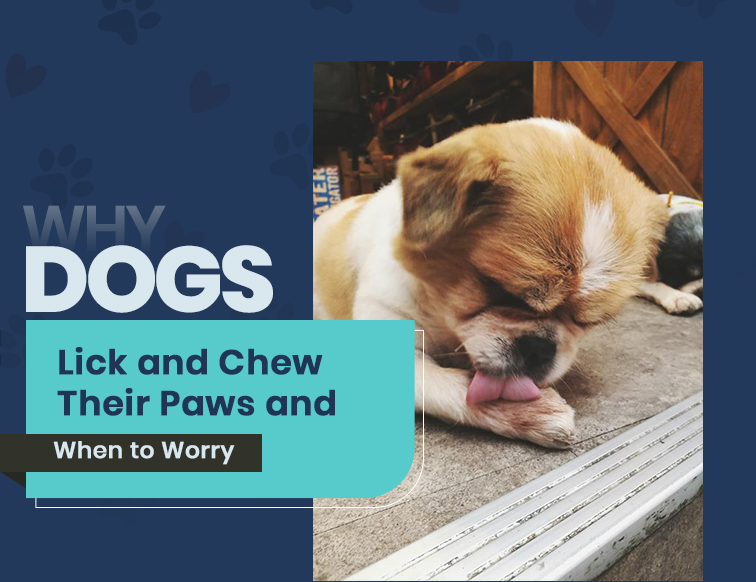
Dogs do a lot of weird things. Licking paws? That’s one of them. Sure, a quick lick here and there is fine. However, if your dog continues to do so, it’s usually a sign that something’s off.
Sometimes it’s just cleaning. Other times? It could be pain, an allergy, or even boredom. Honestly… who can tell? Excessive paw licking isn’t always a disaster, but yeah, it’s worth keeping an eye on. Understanding why dogs lick their paws, from allergies to aches, can help you catch problems before they get worse.
Top Signs of Excessive Paw Licking
Dogs lick their paws to clean them. Sure. But sometimes it goes further. Licking becomes chewing. Chewing becomes raw skin. Red, damp, and sometimes swollen paws. That’s when paw licking behavior in dogs becomes more than mere grooming.
Signs your dog has been licking or chewing their paws excessively:
- Red, damp, or irritated paws.
- Missing fur between toes.
- Limping or avoiding pressure.
- Licking that doesn’t stop even when called out on it.
Licking, chewing paws, and fussing with them is basically a dog’s way of saying, “Hey, something hurts.”
Reasons Why Dogs Lick Their Paws Excessively?
Injuries or Pain
Small injuries can cause big reactions. Dogs can’t express the pain from a cut or a thorn, so you’ll find them licking their paws to cope.
Check for:
- Cracks or burns in paw pads
- Stubs, broken nails, or small cuts
- Embedded debris like thorns or tiny stones
- Limping, guarding the paw, unusual posture
Even minor injuries can lead to a dog paw-licking infection if left untreated. Dogs will keep licking, which slows down healing.
Allergies
Paw allergy is one of the most common reasons for dogs’ constant paw licking. Allergies can show up anywhere, but paws are often first. Dogs chew or lick to relieve the itch.
Possible triggers:
- Food: proteins like chicken, beef, dairy
- Environment: pollen, grass, dust, chemicals
- Fleas: one bite can start obsessive licking
Watch for:
- Red, irritated, or inflamed paws
- Smelly or damp skin
- Secondary infections from licking
If your vet suspects food sensitivities, switching to dog food for allergies can sometimes make a big difference.
Parasites and Skin Infection
Fleas, ticks, and mites all make dogs itchy. Licking is the natural reaction. Infections often follow:
- Red, wet, sometimes smelly paw skin
- Crusty or scabbed areas
- Constant licking keeps the paw wet
Even without visible pests, small wounds can get infected. Licking often makes it worse, leading to dog paw licking that causes a spiral into bigger skin issues.
Arthritis and Joint Pain
Arthritis in dogs doesn’t always mean limping. Paws can ache too.
Signs that arthritis may be causing paw licking:
- Slow movement or stiffness
- Hesitation to jump or climb stairs
- Licking mainly after rest
Weight control, cushioned bedding, and gentle movement always help. Early detection helps dogs stay comfortable and reduces the need for paw licking treatment later.
Stress, Boredom, or Habit
Behavioral causes are common. Licking can be stress relief. Self-soothing.
Possible triggers:
- Being alone for long periods
- Changes in environment or routine
- Lack of stimulation
- Compulsive tendencies
Toys, walks, and interaction can reduce excessive paw-licking from boredom. Severe compulsive licking may need professional guidance.
Environmental Irritants
Hot pavement, salt, lawn chemicals, and cleaning agents – all irritate paws. Dogs lick to remove the irritant.
At-home care:
- Wipe paws after walks.
- Keep nails trimmed.
- Moisturize pads if dry.
These small steps prevent dog paw licking, which is linked to environmental stress.
When to See a Vet?
Some licking is fine, but a vet is needed if:
- Licking persists despite distractions.
- Paws are bleeding, cracked, or oozing.
- Limping or favoring a particular paw.
- Smelly or swollen paws.
Early attention prevents dog paw-licking infection and lasting irritation.
How to Support My Dog at Home?
Simple things help a lot:
- Clean and dry paws regularly.
- Wipe after walks or exposure to irritants.
- Provide cushioned resting areas.
- Maintain a good diet and hydration.
Dogs notice comfort. Once irritation is gone, licking usually stops.
On a Final Note,
Dogs speak with their behavior, and paw-licking behavior in dogs is often the first sign that something’s off. You won’t always know whether it’s allergies, an injury, arthritis, or stress.
So, noticing early and helping your dog makes all the difference. The goal is simple: happy, comfortable paws and no obsessive licking.