
All You Need to Know About Lyme Disease in Dogs

Lyme disease is one of the most common tick-borne diseases in dogs caused by a type of bacteria called Borrelia burgdorferi and transmitted by black-legged ticks. The infection tends to hide in a dog’s body for months before showing obvious symptoms, making it difficult to diagnose. Therefore, the most effective way to prevent Lyme disease in dogs is by preventing tick infestations altogether. In this blog, we’ve put together everything you need to know about Lyme disease in dogs to help you combat the disease and ensure the well-being of your dog.
Let’s get started!
What is Lyme disease?
Lyme disease, also known as Lyme borreliosis, is a bacterial illness transmitted by infected black-legged ticks to animals as well as humans. However, the disease does not directly transmit between humans and pets. These ticks are generally found in wooded, grassy, and sandy areas. If left untreated, the bacteria can spread through the bloodstream to other parts of the body, potentially causing long-term complications.
What are the Signs of Lyme Disease in Dogs?
The signs of Lyme disease may vary, with some dogs showing severe symptoms while others show no symptoms at all. However, if left untreated, Lyme disease can lead to irreversible damage to dogs’ vital organs like the kidneys, heart or nervous system.
The following are some of the most common signs of Lyme disease in dogs:
- Fever
- Lethargy
- Lack of Appetite
- Limping
- Swollen Joints
How is Lyme Disease Diagnosed?
To diagnose Lyme disease in dogs, veterinarians perform blood tests that detect specific antibodies produced by the dog’s body in response to the infection. It can take somewhere between three and six weeks for the antibodies to be detected by blood tests. Your veterinarian may also recommend additional tests, like urinalysis, a complete blood count, or joint fluid analysis.
Treatment of Lyme Disease in Dogs
Lyme disease in dogs is generally treated with a 30-day course of antibiotics. It is used on dogs with signs of Lyme disease as well as on those canines that have high levels of antibodies, even if they don’t show any symptoms. While many dogs show signs of improvement within a few days of treatment, some may require a second round of antibiotics as the infection may persist. Once the antibiotic therapy has been completed, vets may recommend blood work after six months to determine if the treatment has been successful.
In severe cases where the kidneys, nerves, or the heart are affected, dogs may require additional therapy, like intravenous fluids.
How Do I Protect My Dog Against Lyme Disease?
The most effective way to protect dogs against Lyme disease is by taking preventive measures against tick infestations. Let’s look at some of the efficient ways to prevent tick infestation in dogs.
- Use an effective year-round tick preventive to keep your dog protected from infestations. Some of the best options include Simparica Trio, Bravecto Chews, NewGard Chewables, and Frontline Plus.
- Get in touch with your vet to find out if vaccination against Lyme disease can benefit your dog.
- Keeping your dog away from tick-prone areas like wooded areas and tall grasses during their outdoor walks.
- Maintain your yard by trimming bushes and mowing the grass to make it less hospitable for ticks.
- Checking your dog and also other pets in your household regularly for ticks, specifically during peak seasons, which is from spring to fall.
- Regularly check your dog and other household pets for ticks, particularly during peak seasons such as spring through fall.
Frequently Asked Questions
1. Can Lyme disease be transmitted from dogs to humans?
Lyme disease does not get directly transmitted from dogs to humans or other pets. However, dogs can carry infected ticks into the home, which can then bite humans.
2. What are the long-term effects of Lyme disease in dogs?
If Lyme disease in dogs is left untreated, it can cause chronic arthritis, serious kidney disease, or neurological issues.
3. When are ticks carrying Lyme disease most active?
Ticks carrying Lyme disease tend to be most active during the warmer months. However, they can be found year-round.
4. In which parts of the US do ticks with Lyme disease mostly live?
Black-legged ticks can be majorly found in the eastern part of the United States and the Midwest. Additionally, the western black-legged tick, which also carries Lyme disease, thrives along the Pacific coast states.
5. Is Lyme disease fatal in dogs?
Lyme disease is rarely fatal in dogs if treated on time. However, untreated and advanced cases can lead to kidney failure.
6. What are the best products to treat tick infestation in dogs?
The following are some of the most popular products to treat tick infestation in dogs:
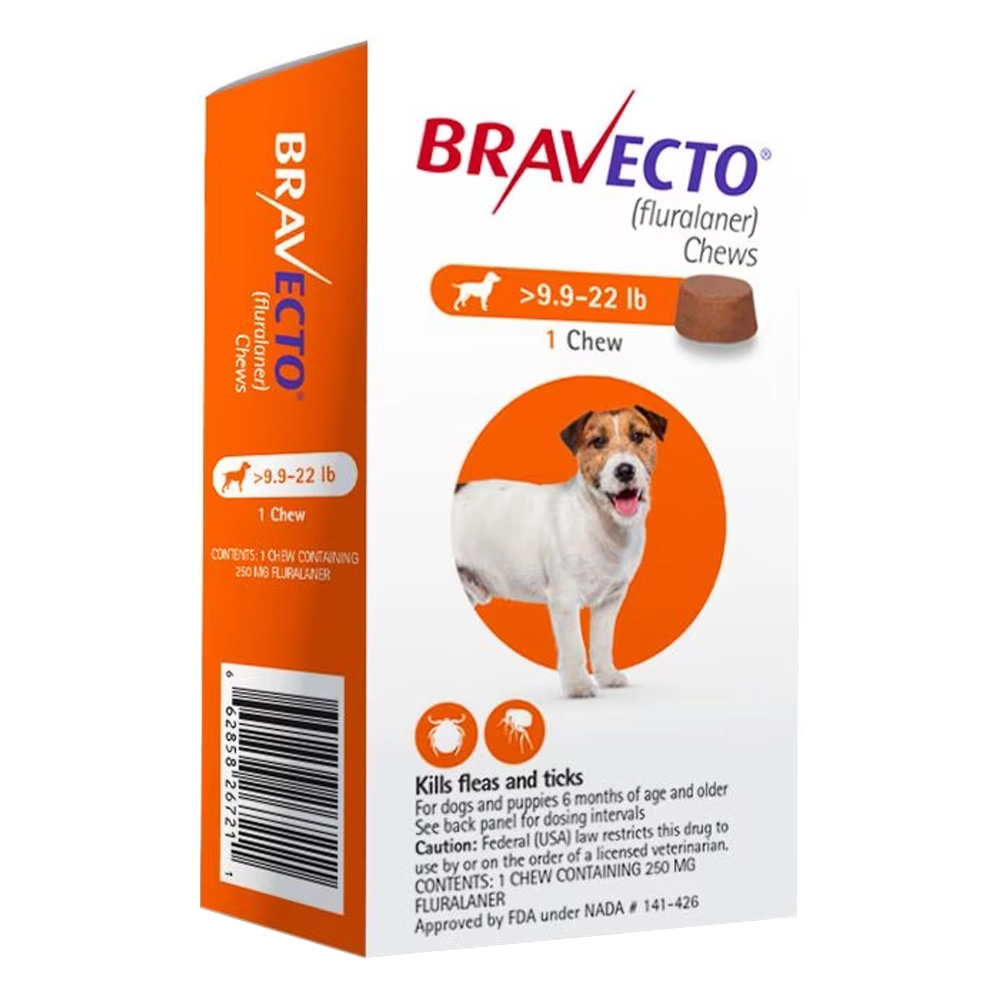
Oral Treatments:
Simparica Trio, Bravecto Chews, NexGard Chewables, Simparica Chewables & NexGard Spectra




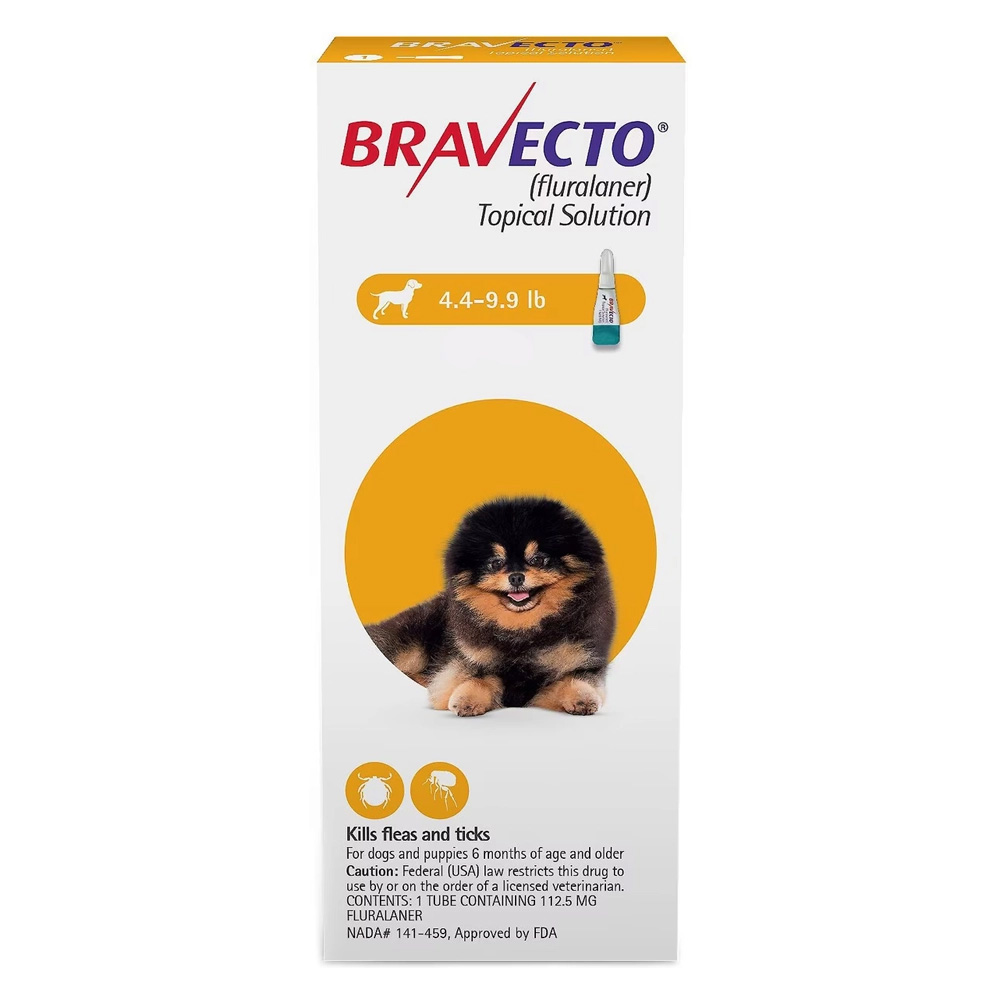
Topical Formula:
Frontline Plus, Bravecto, Ultrum Line-Up Spot On & Effipro Spot-on



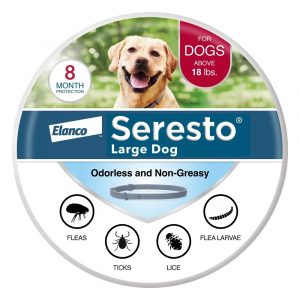
Collar:
Seresto Dog Collar, Scalibor Tick Collar, Bayopet Tick and Flea Collar, & Bob Martin Clear Tick and Flea Collar


Spray & Powder:
Ultrum Ultimate Long-Acting Spray & Aristopet Flea and Tick Spray, Ultrum Flea and Tick Powder


Wrapping Up
Though Lyme disease is a serious infection in dogs, it is largely preventable. The best defence against this disease is a proactive approach, which can be attained by using year-round, effective tick-control products, performing daily tick checks, and considering the Lyme vaccine if you live in or visit high-risk wooded areas. When diagnosed early and treated with appropriate antibiotics, most dogs respond well and go on to live comfortable and healthy lives.
At PetCareSupplies, we carry a plethora of tick-preventives for dogs at the best prices. Check out our online store to shop for your preferred products and a wide range of other pet essentials from the comfort of your home.
Leave a Reply