
Oral vs. Topical Flea & Tick Treatments for Dogs: Which Is Best?
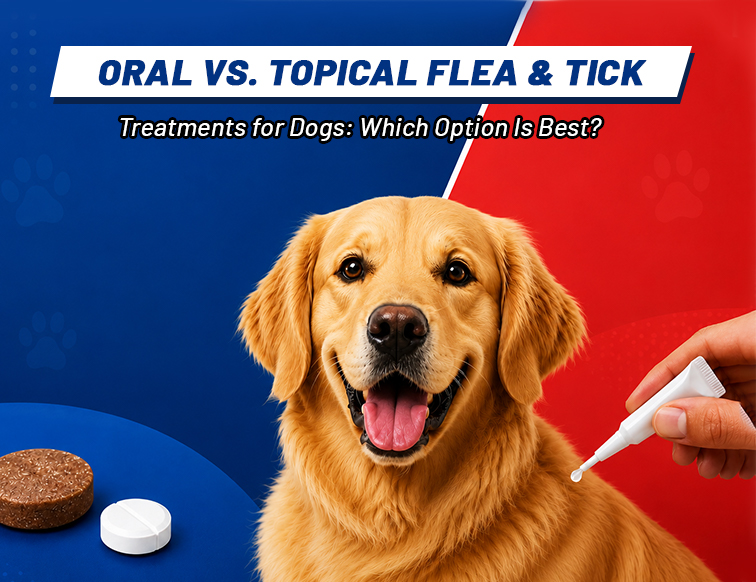
Every pet parent wants to keep their dog safe from fleas and ticks. Especially when there are many options available on the market, it’s quite overwhelming for pet parents to figure out which type of flea and tick treatment will fit their dog. If you are also confused between oral and topical treatments for your beloved furry companions, you have come to the right place. The right choice depends on several factors, such as your dog’s lifestyle or health, and more. In this guide, we will compare the actual difference between topical and oral treatments and discuss the factors that can help you make an informed decision.
Oral Flea and Tick Treatments for Dogs
Oral treatments come in flavored chews or tablet formulations that are given by mouth. You can offer them like a treat or hide them in food. Oral treatments work systemically rather than on the surface of the skin.
How Does It Work?
After administration, the active ingredients are absorbed through the digestive tract and circulate throughout the pet’s bloodstream. When a flea or tick bites your treated pet for a blood meal, it ingests the active ingredients along with the blood and gets killed.
Benefits of Oral Treatments for Dogs
- There is no concern about topical application mistakes, such as applying the product incorrectly.
- Because the treatment works through the bloodstream, coverage tends to be even across the entire body.
- Swimming, bathing, and rain don’t wash it away, which makes oral treatment a practical option for water-loving dogs.
- Unlike topical treatments, there’s no greasy residue left on the skin or coat.
- If you have a multi-pet home, there is little risk of other pets licking the product after administration.
One of the biggest advantages of oral flea and tick treatment is convenience. Most of today’s oral flea and tick treatments for dogs include:
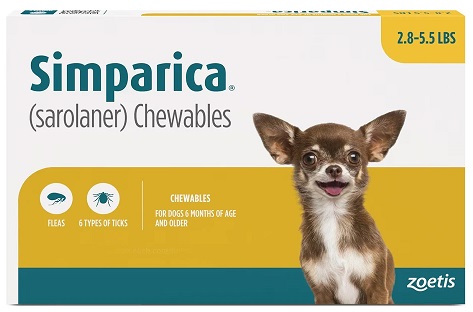
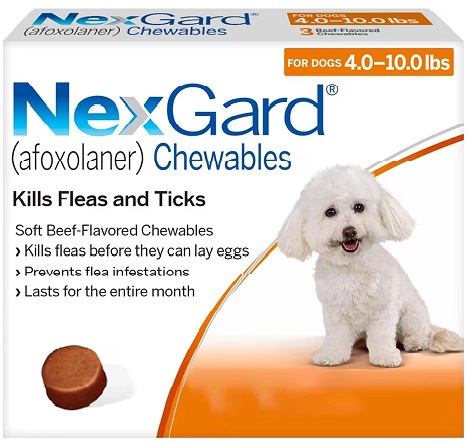
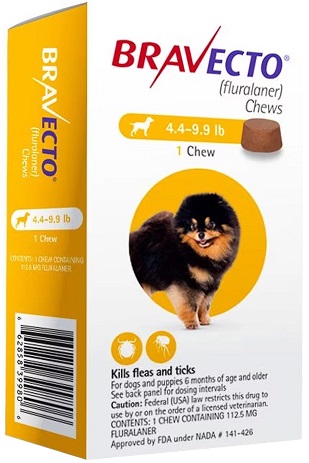
These are well-known oral treatments that come in tasty, flavored chewable form.
Some Considerations Include:
- Some pets may resist tablets unless they are flavored or mixed with their favorite food.
- Oral treatments require a dog to actually eat the full dose, which can be a genuine challenge with picky eaters.
Topical Flea and Tick Treatments for Dogs
Topical treatments are also called spot-on treatments that come in liquid form. These treatments are applied directly to the pet’s skin, usually between the shoulder blades or along the back, depending on the product directions.
How Does It Work?
After application, the active ingredients spread across the skin’s surface and through the coat’s natural oils. Depending on the product, topical products may kill parasites on contact or after they bite your treated pet.
Benefits of Topical Treatments for Dogs
- Topical treatments offer a simple application method without the dog having to swallow, making them a suitable choice for dogs that do not take oral treatments easily.
- Some spot-on formulations offer a repellent effect on contact, which can reduce the number of bites a dog experiences in the first place
- Contact-kill products may be particularly useful for dogs with flea allergy dermatitis because they may help reduce flea bites by killing fleas on contact before they feed.
- Topicals also sidestep the digestive system entirely, which may be beneficial for pets with sensitive stomachs.
There are many popular spot-on flea and tick treatments for dogs, such as:
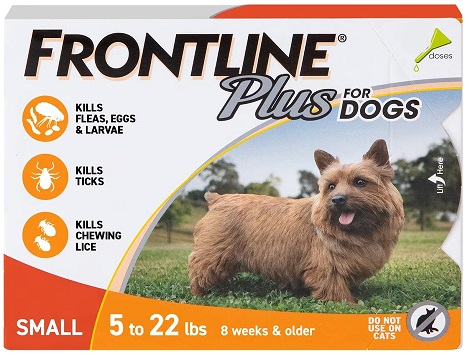
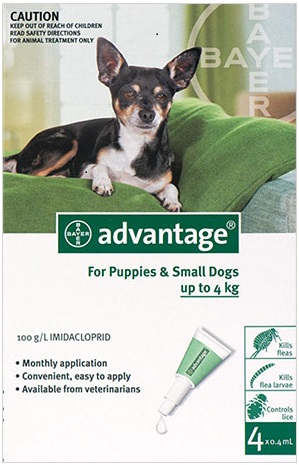
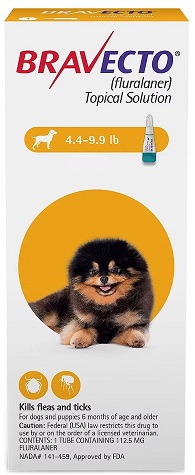
Important Considerations Include:
- Topical products require correct application to work effectively.
- A treated dog should not be bathed immediately before or after application, as water may affect the efficacy of the treatment.
- Frequent bathing and swimming can also shorten how long a topical product remains effective, even within its labeled dosing period.
- In pets with dense coats, topical treatments may sometimes spread unevenly.
- In multi-pet homes, it is best to restrict the treated dog from other pets until the product dries completely.
What Are the Factors You Need to Consider Before Choosing?
Before choosing, you need to consider a few practical questions, such as:
- Your dog’s parasite risk: Flea and tick activity varies by geographical area. Your veterinarian can help you understand which parasites are a risk to your dog, based on where you live and your dog’s exposure.
- Your dog’s lifestyle: Does your dog swim or get groomed frequently? Does your home include small children or multiple pets?
- Your dog’s preference: Does your dog resist taking anything by mouth, or does your dog stay calm while receiving topical applications?
- Your dog’s age and weight: These flea and tick treatments come in various packs that are formulated for different weight ranges. Make sure you check your dog’s eligibility for accurate dosing.
- Your dog’s health condition: If your dog has any existing health conditions, the overall medical history should be considered before selecting.
All of these questions are meant to be worked through with your veterinarian’s advice.
Compare Flea and Tick Preventive Products
After understanding the difference between oral and topical flea and tick treatments, the next step is to explore suitable products for your dog. There are many preventatives that share the same goal, which is protecting your dog from fleas and ticks, but their duration, parasite coverage, active ingredients, working mechanism, and administration methods may vary.
You can compare your selected options. If you want a closer look at how specific options compare, here’s one of our detailed breakdowns of products.
This comparison can help you better understand the product’s key features. In any confusion, you can always talk to your veterinarian for more customized advice based on your dog’s condition and requirements.
Final Thoughts
Both oral and topical treatments are unique in their own ways. As discussed, consider those factors before choosing the most appropriate oral or topical treatment for your dog. Both treatment types can work effectively against fleas and ticks when used as directed. Make sure you stay consistent with the treatment to support your dog’s long-term health.
Frequently Asked Questions
1. Is oral flea and tick treatment more effective than topical for dogs?
Effectiveness usually depends on the kind of product you decide to use. There are treatments that start killing fleas and ticks within hours of administration. You should consider the individual product label and check with your veterinarian for effective results.
2. Can I switch my dog from a topical to an oral flea and tick product, or the other way around?
Most of the time, switching between formats can be easily done. But you should always consider your dog’s current treatment and timing to avoid gaps in protection or overdosing between treatments. So it’s worth discussing the switch with your veterinarian.
3. Can I use both treatments at the same time?
It is not a standard practice to use both oral and topical products at the same time. Many products already cover the same core parasites, so it can increase the risk of overdosing of similar active ingredients or unnecessary treatment. If your dog needs additional protection against other parasites, such as intestinal worms or heartworms, that the current product doesn’t cover, your veterinarian may recommend it.