
Signs of Heatstroke in Dogs and Cats and How to Prevent It
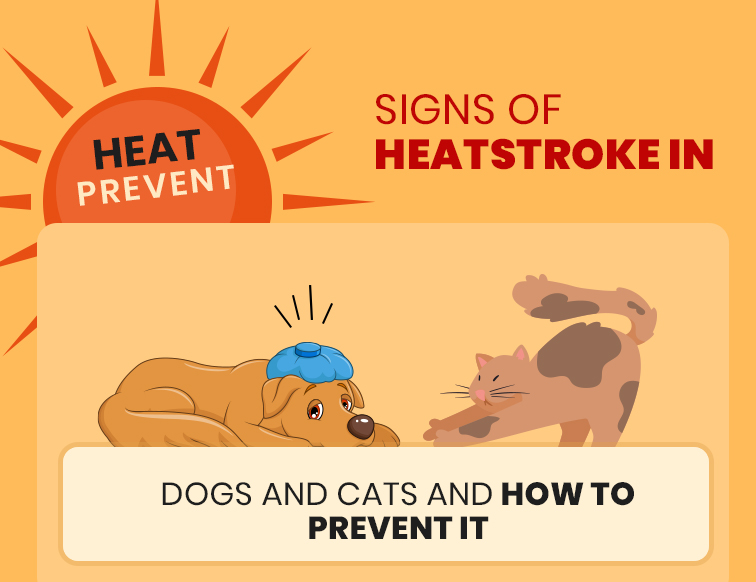
When the temperature rises and the sun feels like it’s on a mission, our dogs and cats hit the overheating mode faster than we expect. Heatstroke might sound like a little severe version of dehydration in summers, but it can lead to serious health problems like organ damage. It is a real threat.
In this blog, we will discuss the signs of heatstroke in dogs and cats and its prevention to help responsible pet parents like you keep your pets safe, comfortable, and living their best sunny day lives.
Meaning of Heatstroke in Pets
Heatstroke or heat exhaustion happens when a dog or cat’s body temperature rises higher (>40°C) than they can handle. Unlike humans, pets don’t sweat all over to maintain body temperature. Dogs pant and cats groom themselves to cool down. But both methods stop working once the heat becomes extreme.
When their body overheats, organs get stressed, breathing becomes difficult, and things can turn serious quickly. It can even lead to organ failure, brain damage, and even death. The good news: early signs are easy to spot once you know what to look for and can help prevent complications.
Signs of Heatstroke to Watch Out For
Dogs tend to show obvious signs of discomfort, but cats are masters at hiding their pain. However, heatstroke doesn’t discriminate. Every pet is on the radar. So, if your pet is suffering from heatstroke, you’ll notice subtle symptoms like
- Rapid, open-mouth breathing
- Bright red gums or tongue
- Excessive drooling
- Fast heartbeats
- Vomiting
- Diarrhea
- Lethargy
- Slow movement
- Collapse
Your pet may not show these signs immediately, but if you notice them desperately seeking cool surfaces or hiding in the bathtub, they’re crying for your help.
What to Do If You Suspect Heatstroke?
Quick action matters when it comes to heatstroke in dogs and cats. Even a little delay can make things worse. So, act fast but don’t panic.
Here are some simple things to do if you notice any signs of heatstroke in pets:
- Move your pet to a shaded or air-conditioned area.
- Offer cool (not ice-cold) water to boost hydration immediately.
- Use damp towels to cool down their paws, belly, and chest.
- Never immerse them in an ice bath, as this can cause shock.
- Measure their body temperature and consult a veterinarian.
Even if you notice your pet is recovering with home care swiftly, seeking medical attention is crucial, as you cannot ignore the internal damage that might be there.
Is Your Pet’s Heatstroke a Medical Emergency?
Most pets start feeling better with primary treatment and care. However, if your pet is suffering from heatstroke and showing any of these signs, you must take them to a vet ASAP:
- Collapses or remains unresponsive
- Experiences seizures or tremors
- Shows temperature >40°C even after cooling attempts
- Has signs of dehydration or internal distress
How to Prevent Heatstroke in Pets?
Heatstroke is preventable with just a few mindful steps on hot days:
- Limit your pet’s exposure to the sun during the noon time when the temperature is the hottest.
- Provide access to shaded areas for pets to rest, as it will help avoid excessive heat and direct sunlight.
- Place multiple water bowls or water fountains to encourage your pet to drink more water.
- Plan your dog’s walks in the early morning or late evening when the temperatures are mild.
- Monitor their hydration levels through gum color and look for pink, moist gums. If their gums are pale or sticky, it indicates dehydration.
- Boost your pet’s hydration by offering them more wet foods and watery treats like plain broths, ice popsicles, etc.
- Use pet-friendly electrolyte supplements to help maintain a healthy hydration and electrolyte balance in their body.
- Have your pet groomed with a professional groomer to maintain healthy coat length for adequate air circulation.
- Keep air-conditioners and fans on as needed. It is not about spoiling your pet but protecting them from the extreme heat.
- Never leave your dog unattended in a car, as cars retain a lot of heat and the cabin can be much hotter than the ambient temperature.
- Maintain a high-quality, protein-rich diet rich in vitamins, minerals, and essential fatty acids.
Final Thoughts
Heatstroke is dangerous but completely preventable. With the right awareness, prevention, and early action, you can help your dogs and cats stay safe from serious effects like collapse, seizures, and tremors. Never overlook these signs in pets, as recognizing them early can make all the difference in keeping your pet safe. Remember, a little extra caution goes a long way to keep them happy, hydrated, and ready for snuggles.
Frequently Asked Questions
Q. What is heatstroke in dogs and cats?
Heatstroke is a condition where the dog or cat’s body temperature rises above 40°C due to overheating during summers.
Q. Are certain dog breeds more prone to heatstroke?
Yes, brachycephalic (flat-faced) breeds like Bulldogs, Pugs, French Bulldogs, and Boston Terriers are more susceptible to heatstroke due to narrow airways impairing cooling via panting.
Q. How long will it take for my pet to recover from heat exhaustion?
Pets suffering from mild cases of heatstroke generally recover in 1-2 days with cooling and vet care. Those with severe heatstroke may require up to a week to bounce back fully.
Q. Can pets get heatstroke indoors?
Yes, pets can get heatstroke indoors in hot, humid, unventilated spaces without air-conditioners, especially in crates or closed rooms.