
10 Dog Breeds That Can’t Tolerate Cold Weather

Picture a dog in winter. You’re probably imagining a big, fluffy Siberian Husky with ice-caked whiskers, happily pulling a sled. Or maybe a Bernese Mountain Dog looking majestic in a snowdrift. But here’s the thing: that’s a great picture, not the reality for many dogs out there.
Some puppers are walking furnaces; many others aren’t. They’re simply not built for the cold. For these dog breeds, a snowy day isn’t Wonderland – it’s a genuine hazard.
Let’s dive into the “always cold” club and find out which breeds of dogs hate cold and why.
10 Breeds That Need a Sweater
Ever wondered why some dogs are cold all the time? It usually comes down to three things:
- A thin, single-layer coat (no fluffy undercoat).
- Low body fat.
- Small body size (loses heat fast).
Here are 10 such dog breeds that can’t tolerate cold weather:
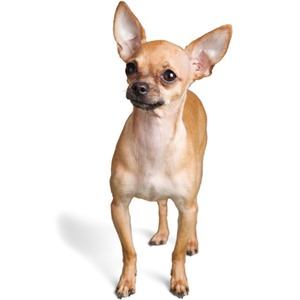
Chihuahua
No surprise here. This breed is the poster child for cold-sensitive dog breeds. Tiny body, paper-thin coat, and practically zero body fat – they lose heat like a leaky faucet! You’ll see them shivering when the air conditioning is too high, let alone in snow.
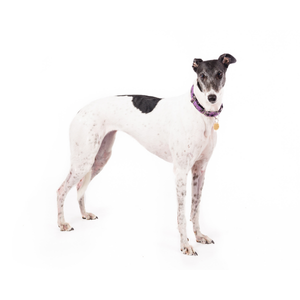
Greyhound
This dog breed is all engine with no insulation. These lean sprinters have little body fat and a single layer of skin-tight fur that insulates about as well as running shorts. Retired racing Greyhounds especially love warm couches.
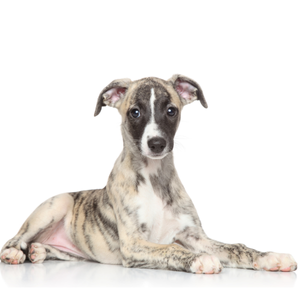
Whippet
The smaller cousin of the Greyhound, with the same issues. Whippets have thin coats, low body fat, and are built for speed, not stamina. A few quick “zoomies” in the cold, and they’re ready to freeze.
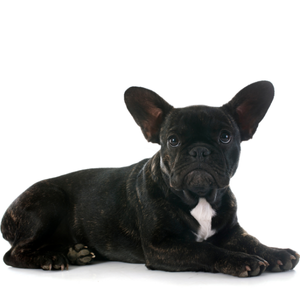
French Bulldog
Big personality, zero cold tolerance. Their smushed faces make it hard to regulate temperature in both heat and cold. Small, stocky, and thin-coated, they’re strictly indoor dogs when it’s chilly.
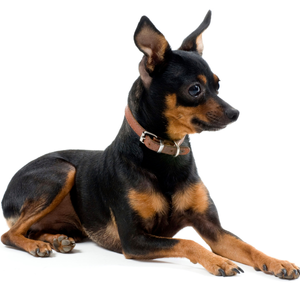
Miniature Pinscher
Despite the name, this isn’t a tough terrier. Slender, delicate, and with a short sleek coat, this breed offers zero protection. These small dog breeds that get cold easily will burrow into anything warm they find.
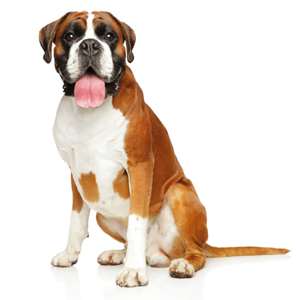
Boxer
Muscular but single-coated, Boxers lack an undercoat to trap warmth. Their short muzzle adds to the problem, making them vulnerable to cold temperatures. Don’t leave them outside for long – they have a low cold tolerance.
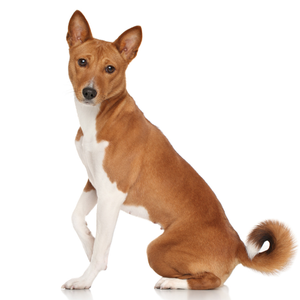
Basenji
The barkless dog from Congo tells its story through origin alone – bred to hunt in African heat, not snow. Their bodies shed heat, not retain it. They’re also great self-groomers, landing them on lists of the cleanest dog breeds. But warm? Not really.
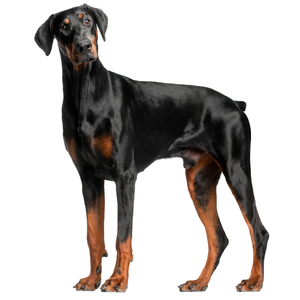
Doberman Pinscher
Like Boxers, Dobermans look tough but aren’t built for the cold. Sleek and muscular with a thin coat, they lack insulation. They can tolerate mild chill better than Chihuahuas, but not the freezing yard kind.
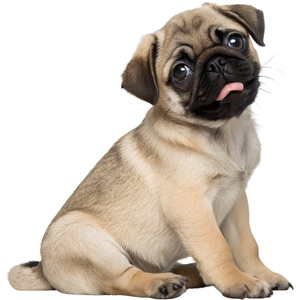
Pug
Another brachycephalic breed like Frenchies. Their short bodies, single coat, and smushed faces make extreme weather tough. Cold air strains their breathing and makes staying warm even harder.
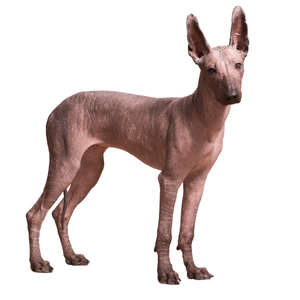
Mexican Hairless
This one’s obvious. From Mexico and often hairless, they have zero natural protection. Their bare skin makes them one of the most sensitive breeds to cold. Coats, sweaters, maybe even a hat – they need it all!
Signs Your Dog is Cold
You’ll know when your pet is struggling from a low temperature. Watch for these signs:
- Shivering: A full-body tremble you can see across the room.
- Hunching: Tail tucked, back arched to conserve warmth.
- Whining: Obvious discomfort or wanting to go inside.
- Lifting Paws: That “frozen statue” pose on cold ground.
- Seeking Shelter: Curling under cars, near doors, or away from wind.
- Sluggishness: If shivering stops and they seem dizzy or slow, it could be hypothermia. Get them warm fast.
How to Keep Your Dog Warm in Winter?
Now that you know your couch cuddler is cold, here’s how to keep your dog warm in winter:
- Clothes: A good doggy coat is essential. Pick one that covers the chest and belly, not just the back. Waterproof is ideal for wet days.
- Dog boots: Your dog will walk funny at first, but boots protect from ice, chemicals, and salt. If they hate boots, try paw balm before walks.
- Short walks: No summer strolls. Keep it brief – just enough for potty breaks and make-up exercise indoors.
- Cozy indoors: Keep beds away from doors or drafts. Leave blankets out for extra warmth.
- Never in a cold car: We know hot cars are dangerous, but cold ones act like refrigerators. Small breeds can get hypothermic quickly.
On a Final Note
At the end of the day, it’s simple: some dogs are built for snuggles, not snowdrifts. Understanding what your pup can and can’t take is key. Keep walks short, stay indoors, and prepare for a long season of cozy cuddles.
A warm pupper is a happy pupper.